HGV Licence Categories Explained: Class 1, Class 2 and 7.5 Tonne
By The HGV Driver Jobs Team · Updated 6 July 2026
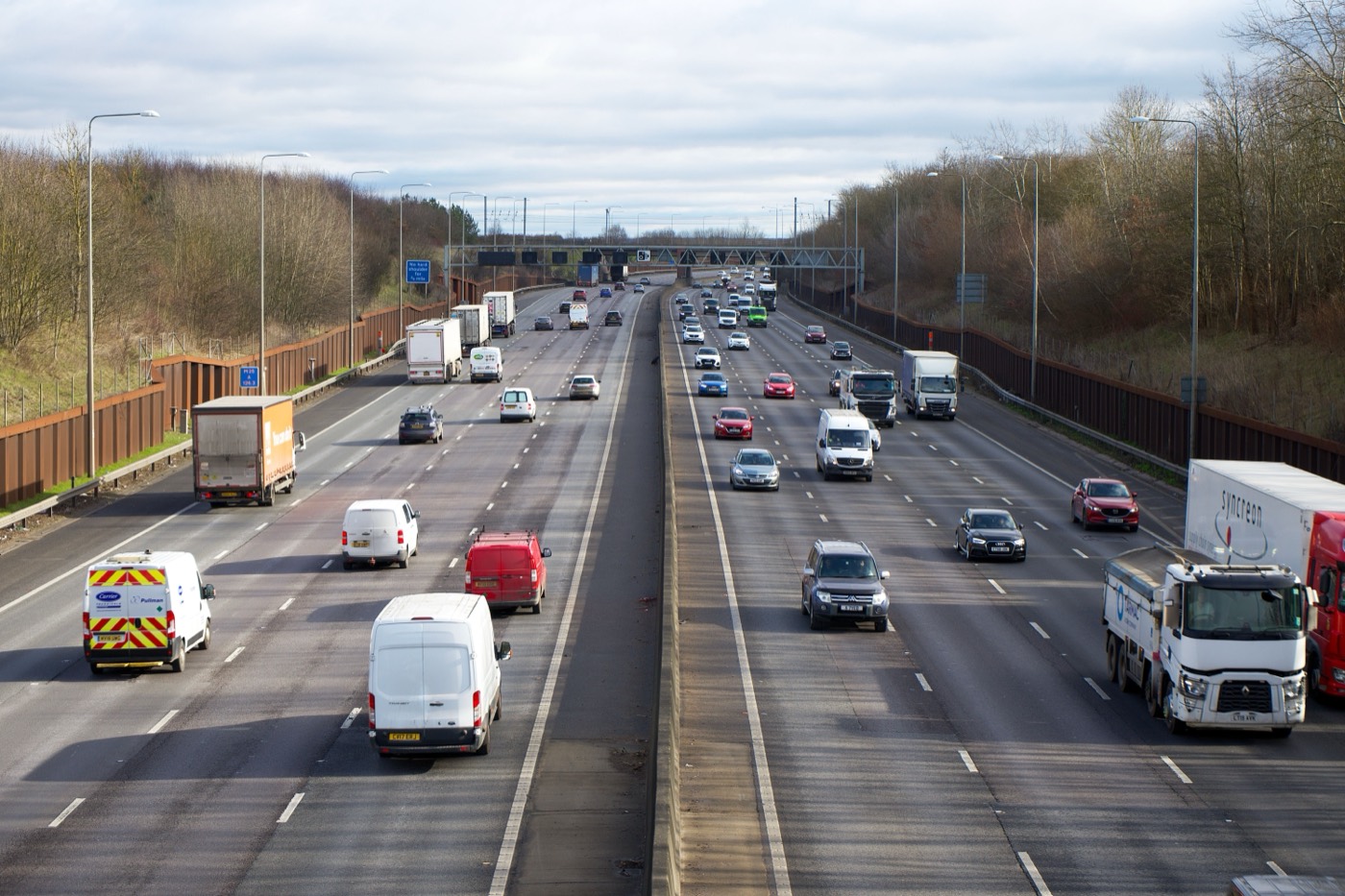
HGV licence categories confuse a lot of people, partly because the everyday names ("Class 1", "Class 2") do not match the official DVLA codes ("C+E", "C"). This guide sets out exactly what each category lets you drive, the weight limits, and how the pay stacks up. Get this right and you will know precisely which licence to train for.
HGV vs LGV: are they different?
No. HGV (Heavy Goods Vehicle) and LGV (Large Goods Vehicle) mean the same thing. LGV is the official term used by the DVLA, while HGV is the name most drivers and employers use day to day. A "Class 1 HGV driver" and a "Class 1 LGV driver" are the same job.
The main licence categories
| Common name | DVLA category | Vehicle | Weight |
|---|---|---|---|
| 7.5 tonne | C1 | Rigid goods vehicle | 3.5t to 7.5t |
| C1+E | C1+E | 7.5t vehicle plus trailer over 750kg | Up to 12t combined |
| Class 2 | C | Rigid lorry (cab and body are one unit) | Over 3.5t, up to 32t |
| Class 1 | C+E | Articulated lorry or drawbar | Up to 44t |
7.5 tonne (Category C1)
The gentlest step up from a car. C1 covers rigid vehicles from 3.5t up to 7.5t, used for multidrop delivery, event work, catering, parcels and home deliveries. It is popular with newly qualified drivers and with people who want lorry work without the size of a full HGV.
Class 2 (Category C)
Category C covers rigid lorries over 3.5t, where the cab and load body are a single unit that does not separate. Think refuse trucks, skip lorries, tippers, box vans and store-delivery vehicles up to 32 tonnes. Class 2 is the usual starting point for most professional drivers and gives you plenty of local, home-every-night work.
Class 1 (Category C+E)
The top HGV licence. Category C+E lets you drive an articulated lorry (a tractor unit pulling a detachable trailer) or a drawbar combination, up to 44 tonnes. Class 1 drivers do trunking, tramping and general haulage nationwide, and they are the best paid on the road. You must already hold Category C before you can train for C+E.
How the pay compares
Pay rises with the size of vehicle and the responsibility involved. These are typical 2025 to 2026 UK figures:
| Class | Agency hourly (temp) | Permanent annual |
|---|---|---|
| Class 1 (C+E) | £18 to £24/hr | £38,000 to £50,000 |
| Class 2 (C) | £16 to £20/hr | £28,000 to £36,000 |
| 7.5t (C1) | £12 to £16/hr | £24,000 to £30,000 |
Nights, weekends and bank holidays pay a premium on top, and specialist work (ADR, tanker, HIAB) adds several thousand pounds a year.
Vehicle and body types you will see in job adverts
Your licence class tells you the size of vehicle you can drive, but job adverts also describe the body type. Knowing these helps you read a listing at a glance:
- Artic: an articulated tractor unit and trailer (Class 1 work).
- Rigid: a one-piece lorry (Class 2 or 7.5t work).
- Curtainsider / tautliner: a trailer with pull-back sides for easy loading.
- Box: a fully enclosed rigid body.
- Tipper: tips its load, common in construction and aggregates.
- Reefer / fridge: temperature-controlled, for food and pharma.
- Skeletal (skelly): carries shipping containers, common at ports.
Specialist endorsements that add to your pay
Beyond the licence itself, certain tickets let you earn more:
- ADR lets you carry dangerous goods such as fuel and chemicals and adds roughly £2,000 to £5,000 a year. The qualification lasts five years.
- HIAB covers lorry-mounted crane work, needing an ALLMI or NPORS certificate.
- Moffett is a truck-mounted forklift for self-loading deliveries.
- Tanker work moves fuel, food-grade liquids and chemicals and is among the best paid, often ADR-linked.
None of these replace your licence class. They sit on top of it and open the door to premium roles.
Which licence is right for you?
- Want the quickest, cheapest way onto lorries? Start with 7.5t or Class 2.
- Want steady, home-every-night work? Class 2 gives you the widest choice of local roles.
- Want the highest pay? Class 1 is the goal, but you must hold Class 2 first.
Most drivers train Class 2, work for a while to build experience, then upgrade to Class 1. It spreads the cost and makes you a stronger candidate for the best-paid trunking and tramping jobs.
Remember your Driver CPC
Whichever category you drive professionally, you also need a valid Driver CPC and its associated DQC, plus a current medical. The licence category sets the vehicle; the CPC makes it legal to drive that vehicle for hire and reward. Keep both in date and you can work in any of the roles above.
Frequently asked questions
What is the difference between Class 1 and Class 2?
Class 1 (C+E) is an articulated lorry with a detachable trailer, up to 44t. Class 2 (C) is a rigid lorry where the cab and body are one unit, up to 32t.
Is HGV the same as LGV?
Yes. LGV (Large Goods Vehicle) is the official DVLA term and HGV (Heavy Goods Vehicle) is the common name. They mean the same thing.
What can I drive on a 7.5 tonne licence?
Category C1 lets you drive rigid goods vehicles from 3.5t up to 7.5t, commonly used for multidrop, parcels and event work.
Can I go straight to Class 1?
No. You must first hold Category C (Class 2) before you can train for Category C+E (Class 1).
Ready to find a job?
Browse live HGV jobs with pay shown up front.
More advice
How to Become an HGV Driver in the UK (2026 Guide)
A step-by-step guide to becoming a qualified HGV driver in the UK: age and licence rules, the medic…
HGV Driver Pay Guide 2026: What Drivers Really Earn
Real 2026 pay figures for HGV drivers by licence class, shift pattern and region, plus the premiums…
Points on Your Licence: What it Means for HGV Drivers
For a professional driver, penalty points are a threat to your livelihood, not just your record. He…