Staying Healthy as an HGV Driver: A Practical Guide
By The HGV Driver Jobs Team · Updated 6 July 2026
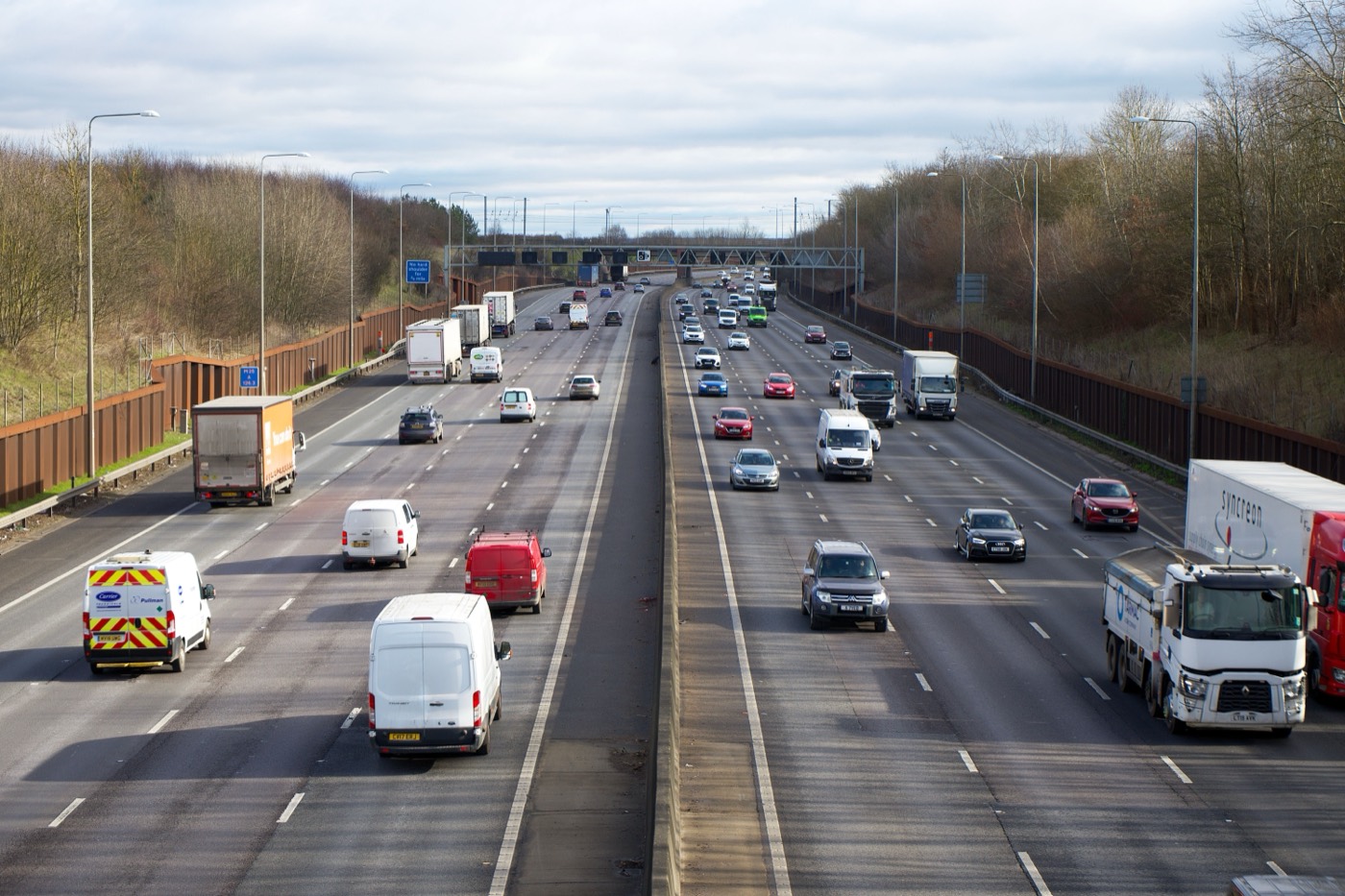
HGV driving is tough on the body. Long hours sitting still, meals grabbed at service stations, broken sleep patterns and the stress of tight schedules all add up over a career. The average UK HGV driver is around 51, and looking after your health is what lets you keep working and enjoy life outside the cab. This is a practical guide, not a lecture, to staying well on the road.
Eating well when everything is a service station
The single biggest health trap for drivers is food. When your only options are garage sandwiches, fried breakfasts and vending machines, it is easy to eat badly all week. The fix is preparation, not willpower.
Drivers who eat well tend to carry their own food. A cool bag with fruit, nuts, yoghurt, cooked chicken, wraps and cut vegetables costs less than buying out and keeps you off the sugar rollercoaster. If your truck has an inverter or a 12-volt fridge and a slow cooker or a lunchbox heater, you can eat proper hot meals for the price of the ingredients. Batch-cook at home, freeze portions, and reheat on the road.
Watch the drinks too. It is easy to sink several energy drinks and sugary coffees across a shift. Water is your friend, though it means planning your toilet stops. Cutting back on liquid sugar is one of the fastest wins for your weight and your energy levels.
Staying active despite the job
You cannot out-train a sedentary job entirely, but you can offset it. The trick is little and often. Use your 45-minute break to walk around the yard or lay-by rather than sitting in the cab the whole time. A brisk 10 to 15 minute walk at each break adds up over a week and helps your circulation, your back and your mood.
Simple stretches make a real difference to a body that sits all day. Loosening off your hips, hamstrings, shoulders and lower back before you set off and during breaks helps prevent the aches that plague long-term drivers. If you do multidrop, the lifting keeps you active, but only if you lift properly; bend the knees, keep the load close, and do not twist.
On rest days, some regular movement, whether that is walking, cycling, the gym or just being active at home, counterbalances the days spent sitting. It does not have to be punishing. Consistency beats intensity.
Sleep and the night-shift challenge
Good sleep is non-negotiable in a safety-critical job. The drivers hours rules force minimum rest, but quality matters as much as quantity. If you tramp or work nights, protecting your sleep is a skill in itself: blackout blinds or an eye mask, a cool and quiet space, a wind-down routine, and being disciplined about screens and caffeine before rest.
If you snore heavily, wake unrefreshed or feel sleepy at the wheel, get checked for sleep apnoea. It is common in drivers, it is treatable, and it is directly relevant to your medical and your safety. Do not ignore it.
Mental health matters too
Driving can be isolating, especially tramping and nights. Long hours alone, time away from family, and financial or scheduling pressure take a mental toll that drivers rarely talk about. Staying connected matters: a regular call home, a mate on the CB or the phone, and not bottling things up.
If you are struggling, talk to someone. There are driver-focused wellbeing services and mental health charities, and your GP is a starting point. Looking after your head is as much a part of staying fit to drive as looking after your body.
The HGV medical you have to pass
Health is not just personal for professional drivers; it is a licensing requirement. To hold an HGV entitlement you must pass a medical, and you renew it periodically as you get older. The medical checks your eyesight, blood pressure, heart, diabetes status and general fitness to drive, and it screens for conditions like sleep apnoea that affect safety.
An HGV medical costs somewhere around £50 to £120 depending on the provider. The practical message is simple: the same habits that keep you feeling well, controlling your weight, blood pressure and blood sugar, are exactly what keep you passing your medical and keeping your licence. Health and livelihood are the same thing in this job.
Small habits, long career
None of this requires a dramatic overhaul. Pack your own food, walk on your breaks, stretch, protect your sleep, stay connected, and keep on top of your medical. Drivers who do these things stay fitter, feel better, pass their medicals and drive safely for longer. In a job that can quietly wear you down, small consistent habits are what keep you on the road and enjoying the money you earn.
Frequently asked questions
How do HGV drivers eat healthily on the road?
Preparation is key. Carry your own food in a cool bag (fruit, nuts, cooked meat, wraps, vegetables), batch-cook and freeze meals to reheat with an inverter, fridge or lunchbox heater, and cut back on energy drinks and sugary coffees in favour of water.
How can drivers stay active with a sitting job?
Little and often. Use your 45-minute break for a brisk 10 to 15 minute walk, stretch your hips, back and shoulders before and during shifts, lift properly on multidrop, and do some regular movement on rest days. Consistency matters more than intensity.
What does the HGV medical check?
It checks eyesight, blood pressure, heart, diabetes status and general fitness to drive, and screens for conditions such as sleep apnoea. It costs roughly £50 to £120 and must be renewed periodically, more often as you get older.
Should HGV drivers worry about sleep apnoea?
Yes. Sleep apnoea is common in drivers and affects both your medical and your safety at the wheel. If you snore heavily, wake unrefreshed or feel sleepy while driving, get checked. It is treatable and worth sorting quickly.
How do drivers look after their mental health?
Stay connected with regular calls home and mates on the phone, do not bottle things up, and reach out to your GP, a driver wellbeing service or a mental health charity if you are struggling. Long hours alone on nights and tramping make this especially important.
Ready to find a job?
Browse live HGV jobs with pay shown up front.
More advice
How to Become an HGV Driver in the UK (2026 Guide)
A step-by-step guide to becoming a qualified HGV driver in the UK: age and licence rules, the medic…
HGV Driver Pay Guide 2026: What Drivers Really Earn
Real 2026 pay figures for HGV drivers by licence class, shift pattern and region, plus the premiums…
Points on Your Licence: What it Means for HGV Drivers
For a professional driver, penalty points are a threat to your livelihood, not just your record. He…