What is Tramping? HGV Nights-Out Work Explained
By The HGV Driver Jobs Team · Updated 6 July 2026
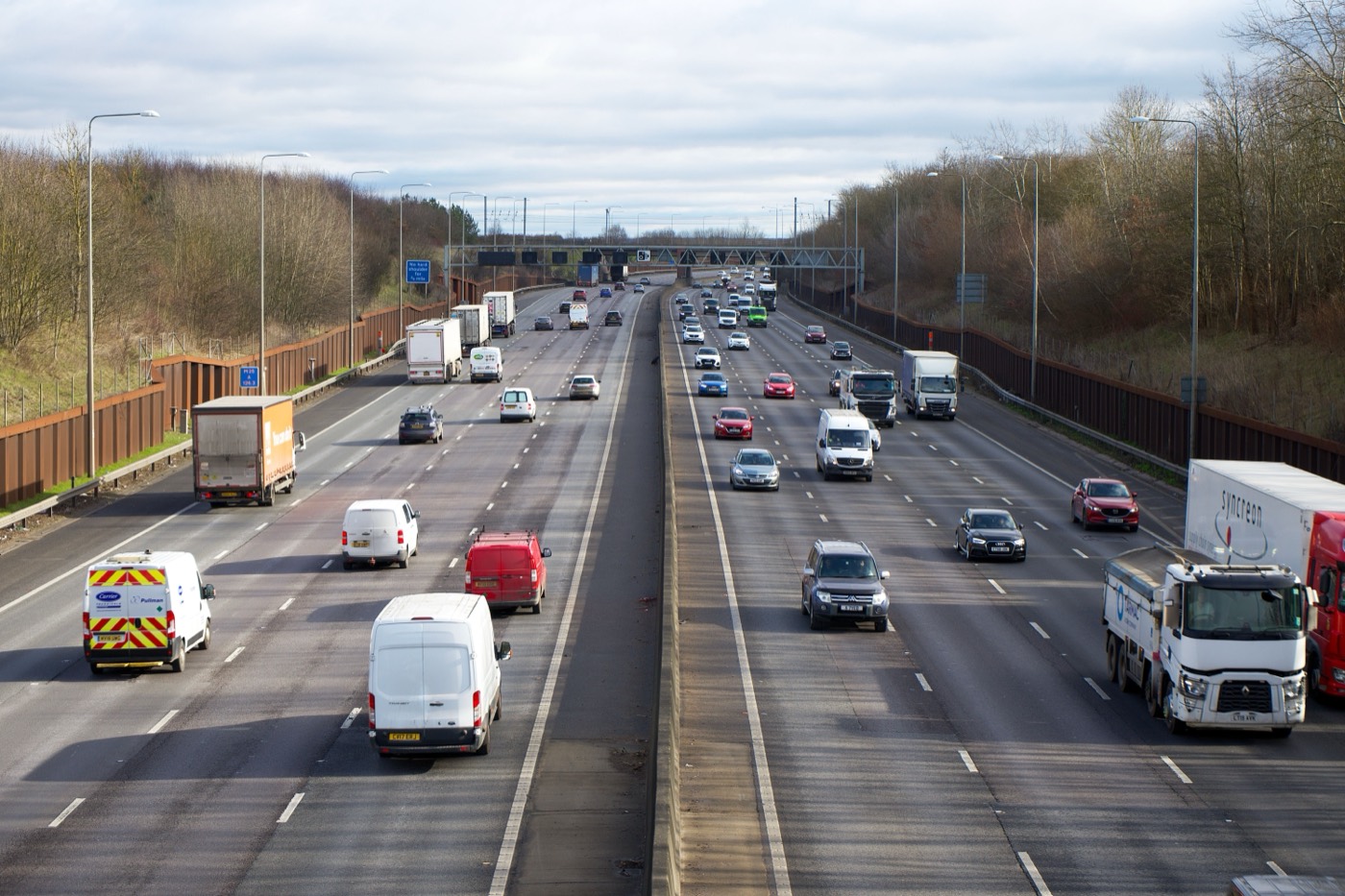
Tramping is one of those words you hear on every yard and in every cab, but it is rarely explained properly to new drivers. Put simply, tramping means going out for several days at a time, sleeping in the cab rather than going home each night, and living on the road for the working week. It is almost always Class 1 (Category C+E) artic work, and it is one of the highest-earning patterns in UK haulage.
If you are weighing up your first tramping job, or moving across from local day work, this guide covers what the job is really like, how the pay stacks up in 2026, and the trade-offs nobody puts in the advert.
What tramping actually involves
A typical tramping week looks like this. You leave your base or a distribution centre on Monday morning, run loads up and down the country all week, and park up overnight wherever you finish your driving hours. You might not see home again until Friday afternoon or Saturday morning. The truck is your workplace and, for four or five nights, your bedroom.
The driving itself is usually long-distance trunk and general haulage: full trailer loads between depots, RDCs, ports and customer sites. There is far less handball than multidrop work. Most of your time is spent behind the wheel on motorways and A-roads rather than tailgating pallets in and out.
Because you are away for days, tramping trucks are specced for it. Expect a proper sleeper cab with a fixed or fold-down bunk, a night heater, a fridge, and often an inverter so you can run a kettle, a microwave or a small TV. Many drivers build a decent little home from home with bedding, a slow cooker and a stash of food for the week.
Night-out allowances and how the pay works
Tramping pays well for two reasons: the hours are long, and you get paid extra for every night you spend away from home. That extra is the night-out allowance, sometimes called subsistence.
HMRC allows employers to pay an approved tax-free night-out allowance where the driver sleeps in the cab. The widely used industry figure sits around £34.90 per night for a vehicle with a sleeper cab, and many firms pay this on top of your hourly or day rate. Some pay more than the approved rate, with anything above it treated as taxable. Four nights out a week at that level adds up to well over £130 a week on top of your wages, which is a big part of why drivers chase tramping work.
On the base pay itself, Class 1 tramping is at the top end of the market. Agency hourly rates for Class 1 in 2025 to 2026 run roughly £18 to £24 an hour, with tramping and container work often paying the most. Permanent tramping roles commonly sit in the £38,000 to £50,000 range, and specialist or night-heavy work can push past that. Add the night-out money and a full week away can be very well rewarded.
The lifestyle trade-off
The money is real, but so is the cost to your home life. You are away from your family Monday to Friday, sometimes longer. You miss the school run, the evening routine and the small everyday things. Some drivers love the freedom and the peace of it. Others find it lonely after a while.
Life in the cab has its own challenges. Finding a decent, safe place to park with a hot meal and a clean toilet is a genuine problem in the UK, where secure truck stops are in short supply. You will cook a lot of your own food, watch your spending, and learn to make the cab comfortable. Sleep can be broken if you are parked somewhere noisy or exposed.
On the plus side, many drivers report tramping is less stressful than frantic multidrop days. Once you are loaded and rolling, the job is steady. You are not fighting traffic in a town centre or chasing 40 drops before dark.
Is tramping right for you?
Tramping suits drivers who want to maximise earnings, do not mind their own company, and either have flexible home arrangements or actively enjoy time on the road. It is a strong choice if you are saving hard, clearing debt, or simply prefer motorway miles to town-centre delivery work.
It is a poor fit if you have young children who need you at home in the week, if you struggle to sleep in unfamiliar places, or if you know you will resent being away. There is no shame in trying it and deciding it is not for you. Plenty of drivers do a spell of tramping, bank some money, then move to trunk or day work closer to home.
If you are ready to give it a go, look for firms that spec their trucks well, pay a proper night-out rate, and are honest about how many nights out you can expect. Ask other drivers on the yard before you sign anything. The right tramping job can be one of the best-paid and most straightforward roles in the industry.
Frequently asked questions
How much is the HGV night-out allowance in 2026?
The widely used industry figure for a sleeper-cab night out is around £34.90 per night, which HMRC allows employers to pay tax-free. Some firms pay more, with anything above the approved rate treated as taxable income.
Do you have to sleep in the cab when tramping?
Yes. Tramping means you park up and sleep in the truck rather than going home each night. Tramping trucks are specced with a sleeper cab, a bunk, a night heater and usually a fridge and inverter to make it liveable for the week.
How much does a Class 1 tramping driver earn?
Agency Class 1 rates run roughly £18 to £24 an hour in 2025 to 2026, and permanent tramping roles commonly sit in the £38,000 to £50,000 range. On top of that you earn a night-out allowance for every night away, which adds well over £130 to a typical four-night week.
How many nights are you away when tramping?
Most tramping weeks involve four or five nights out, leaving on Monday and getting home Friday afternoon or Saturday morning. Some runs are longer. Always ask a prospective employer how many nights out you should realistically expect.
Ready to find a job?
Browse live HGV jobs with pay shown up front.
More advice
How to Become an HGV Driver in the UK (2026 Guide)
A step-by-step guide to becoming a qualified HGV driver in the UK: age and licence rules, the medic…
HGV Driver Pay Guide 2026: What Drivers Really Earn
Real 2026 pay figures for HGV drivers by licence class, shift pattern and region, plus the premiums…
Points on Your Licence: What it Means for HGV Drivers
For a professional driver, penalty points are a threat to your livelihood, not just your record. He…